ACHIEVEMENTS
What is Fiber to theAntenna (FTTA) and why does it matter?
Your data is going to keep non-stopgrowing.
User consumption is and willcontinue increasing due to the use of mobile devices, such as:
· Smartphones.
· Tablets.
According to Cisco Visual Networking Index™ (VNI) Global Mobile Data TrafficForecast
(2015 to 2020), by 2020 there will be 5.5 billionmobile data users, which represents 70% of world’spopulation.
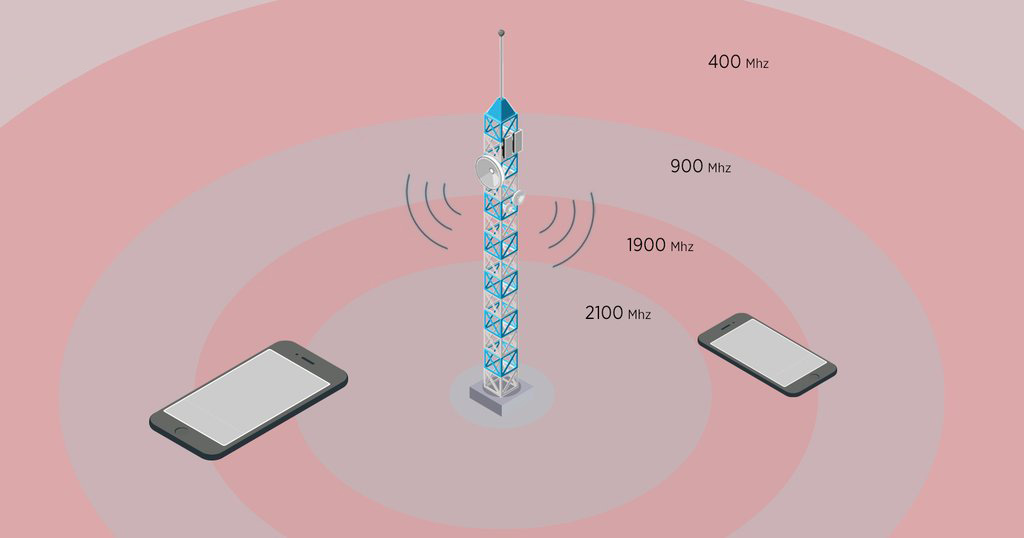
By2020, The Next Generation MobileNetworks Alliance expects5G to be rolled out in order to meet businesses and customer demands for fasterspeeds and support the Internetof Things (IoT).
Therefore:
Service providers already startedpreparing their networks’ infrastructure to meet such demands
And how exactly are they doing that upgrade?
Bysubstituting old coaxial-based systems with optical fiber technology in orderto
provide more capacity to their cell towers, making fiber the new norm for
telecommunication tower builds.
Faster mobile connections
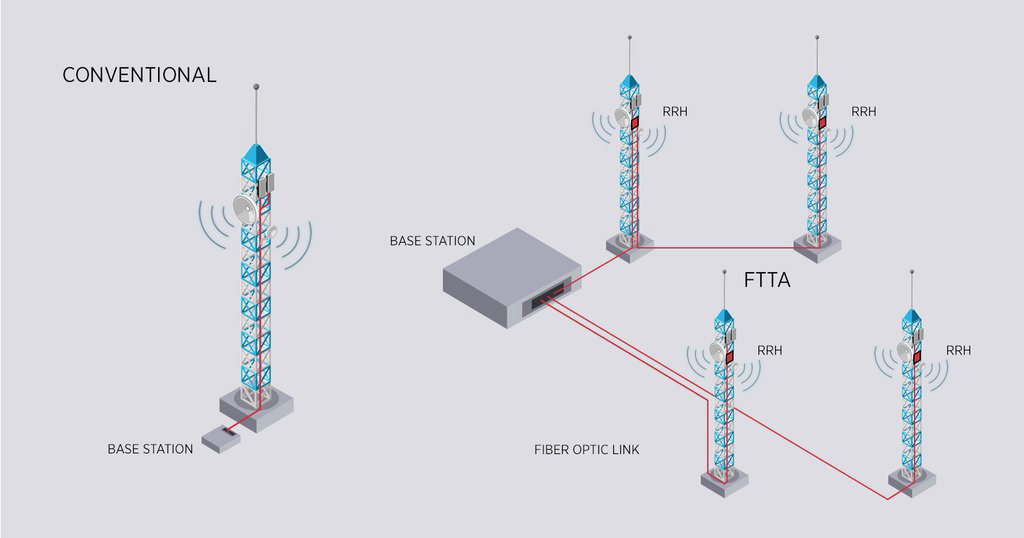
FTTA is a broadband networkarchitecture in which the high frequency and power electronics are taken fromthe based station and located at a remote radio-head (RRH), a based fiber opticsystem that converts digital signals into analog, close to the antenna andfiber optic is used to join the RRH to the base station in new and oldantennas.
Why fiber optics?
Another FTTA advantage is that itallows to eliminate tower amplifiers because RRH are replaced at the antenna’stop and generate signals from there. FTTA also makes it possible for RRH locatedat the top of the antennas to get cooled with natural air instead of requiringa conditioning system, which reduces energy consumption.
And more importantly
FTTA architecture allows theBaseband Unit (BBU) to be located where it is most convenient, instead of beingmandatory stuck with the RRH.
Fiber optic types
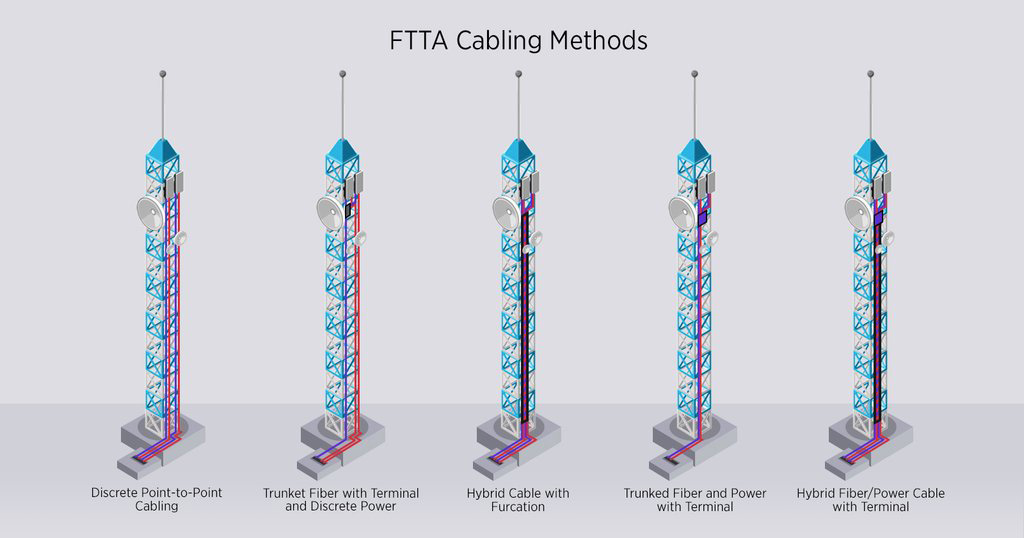
InFTTA structures, an optical transceiver module located in the cell towerchanges the optical signals in to electricals for modulation by radio, says3M’s whitepaper Fiber-to-the-AntennaInstallation Best Practices for the Tower Hand.
Both
· Multimode
· Single mode
fibers are used in FTTA. Butchoosing which one to use depends on the transceivers, which costs are way toodifferent.
· Multimode fiber works withlow-cost transceivers, reducing installation costs.
· Single mode fiber requireshigh-precision costly transceivers and is used for long distance capacities.
Technicians often use prefab fiberoptic cables, factory-terminated to the required length. LC is the preferredconnector because its small size helps reducing space use. These patch cordsare usually duplex, so one cable transmits signals while the other one receivessignals.